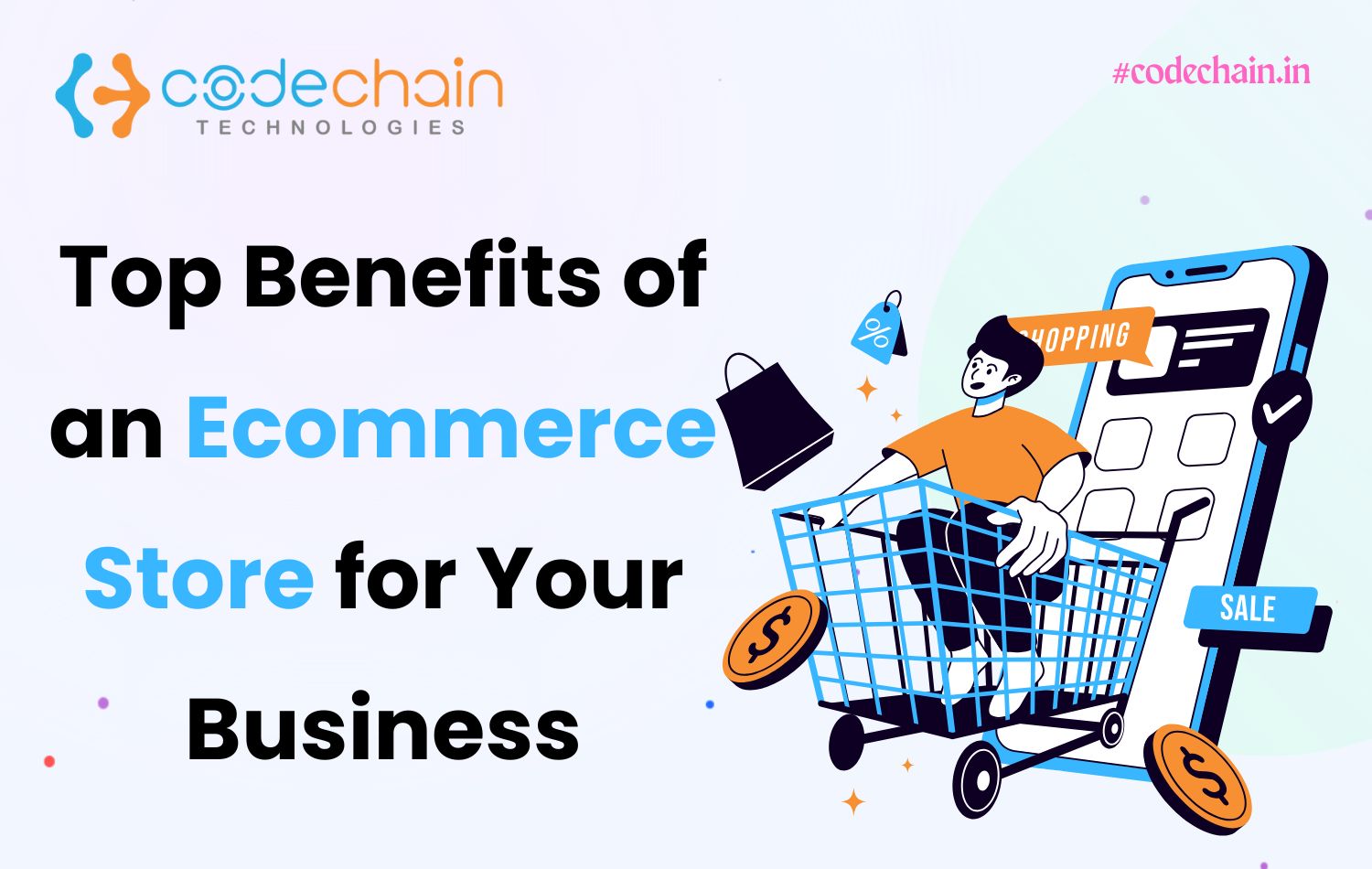
The top benefits of an ecommerce store are wider reach, 24/7 sales, lower running costs, better customer data, easy scaling, and more ways to get paid. Whether you run a small shop, a startup, or a large enterprise, an online store lets you sell to more people without the limits of a physical location.
Customers now expect to compare, pay, and receive orders from their phone, which makes an online store a core part of growth, not an optional extra. In this guide, we explain the 13 biggest benefits of an ecommerce store, the challenges to plan for, and how to start the right way.
What Is an Ecommerce Store?
An ecommerce store is an online platform where customers can browse products, place orders, pay digitally, and track delivery. It can be a website, a mobile app, or both, and it can sell physical products, digital goods, or services.
Unlike a simple brochure website, a real ecommerce store includes a product catalog, a cart, secure checkout, order management, and delivery tracking, all working together.
13 Top Benefits of an Ecommerce Store
Wider Reach Beyond Your Location
A physical store depends on local footfall. An online store can serve customers in other cities, states, and countries, which diversifies your customer base and reduces dependence on one market.
For example, a local boutique can sell to customers in other cities once it has a store, payments, and delivery in place. Reaching distant customers still needs good logistics, clear shipping policies, and the right marketing. But you no longer need a new shop for every new market.
24/7 Availability
Online stores never close. Customers can shop at night, on weekends or on holidays, and people in different time zones can order when it suits them.
Round-the-clock availability means fewer missed sales, and it helps most during festival sales when demand peaks outside normal shop hours. Reliable cloud hosting keeps the store available even during traffic spikes.
Lower Operating Costs
Traditional retail comes with rent, utilities, staff, and maintenance. An online store cuts many of these costs, and automation tools handle billing, inventory tracking, and basic customer support.
Digital marketing is also easier to measure and target than print or TV ads, so you can spend where results are visible. You also avoid paying for prime retail locations, and a small team can manage orders from many cities. Lower overhead lets you reinvest in products, marketing, and technology.
Convenience and a Faster Buying Process
Shoppers can browse, compare prices, read reviews, and order from their phone without travelling or waiting in line. Saved details and secure payment gateways make repeat purchases quick.
Features like wishlists, saved addresses, and order tracking make the experience smoother than visiting a crowded shop. A fast checkout also reduces cart abandonment, and convenience is one of the strongest reasons customers come back.
Better Customer Insights
Ecommerce platforms show what customers view, search for, add to cart, and abandon. You can track popular products, traffic sources, and conversion rates, then use that data to plan stock, promotions, and campaigns.
If many shoppers abandon their carts at the shipping step, for example, you know exactly what to fix. Connecting this data to a CRM system helps you follow up with customers and personalize communication. Physical retail can collect data too, but online data is usually more detailed and easier to analyze.
Personalized Shopping Experience
Using browsing history, past purchases, and preferences, stores can recommend products, send targeted emails, and offer relevant discounts. Personalization raises engagement and helps customers find what they want faster.
Even simple touches, such as showing recently viewed products, can lift sales. AI is making this easier, and you can see how AI in ecommerce helps businesses increase sales.
Easy Scaling and Cost-Effective Expansion
Scaling a physical store means more space, staff, and stock. Online, you can add products, open new regions, and handle more traffic with far less extra cost.
India's growing ecommerce industry is supported by strong digital infrastructure and mobile access, which makes it easier for new stores to reach buyers. You can also test new markets with small campaigns before investing heavily and expand only where demand is proven.
Wider Product Range
Without shelf-space limits, you can list a large catalog with detailed descriptions, images, and videos. Niche and seasonal products can find their audience online.
Detailed product pages with size guides, FAQs, and reviews also help shoppers decide with confidence. A bigger range creates more chances for cross-selling and upselling too.
Multiple Payment Options
Customers expect choice. Ecommerce stores can accept cards, UPI, digital wallets, net banking, Buy Now Pay Later, and, where suitable, cash on delivery.
In India, UPI has become part of everyday payments, so supporting it is almost essential. Different customers prefer different methods, so offering the right mix reduces purchase friction and improves conversion.
Stronger Brand Awareness
With good SEO, your store can rank on search engines and attract organic traffic. Content marketing, social media, and email campaigns add to that reach.
Google's own SEO Starter Guide is a good place to learn the basics, such as clear page titles, helpful content, and fast pages. Over time, a consistent online presence builds trust and recognition without being limited to one location.
Automated Inventory and Operations
Ecommerce platforms track stock in real time, send low-stock alerts, and update availability automatically. This prevents overselling and lost sales.
Automation also handles order confirmations, shipping updates, abandoned-cart reminders, and email campaigns. For growing businesses, connecting the store to an ERP system keeps inventory, billing, and orders in one place and saves hours of manual work.
Better Customer Retention and Support
Loyalty programs, personalized offers, push notifications, and well-timed email campaigns encourage repeat purchases. Keeping an existing customer usually costs less than winning a new one.
Chatbots, FAQs, and live chat also give customers quick answers without visiting a store, and messaging tools such as WhatsApp keep buyers informed about orders and offers, which improves satisfaction and reviews.
Mobile Commerce Growth
Most online shoppers now use smartphones. A mobile-friendly store is essential, and a dedicated mobile app adds push notifications, in-app offers, and quick payments.
Many shoppers now browse, compare, and pay entirely on their phones. Businesses that ignore mobile shoppers risk missing one of the fastest-growing parts of online retail.
Who Benefits Most From an Ecommerce Store?
Almost any business can gain from selling online, but these groups benefit the most:
Small retailers:
Reach customers beyond the local area without opening new shops.
Direct-to-consumer brands:
Sell directly, control pricing, and own your customer data.
Wholesalers and manufacturers:
Take bulk orders online and cut manual order handling. See the latest B2B ecommerce trends.
Service providers:
Sell bookings, subscriptions, and digital products.
Startups:
Test products and markets with a low upfront cost.
Ecommerce Trends to Watch in 2025
The online shopping landscape keeps evolving. These trends are shaping how stores grow:
AI-powered personalization:
Recommendations, smart search, and chat assistants are becoming standard, and AI development makes them easier to build.
Mobile-first shopping:
Fast mobile sites, apps, and one-tap checkout are now expected. Many startups build these apps with Flutter, as explained in why Indian startups prefer Flutter.
Social and video commerce:
Short videos and social media marketing increasingly drive product discovery and sales.
Faster delivery expectations:
Customers compare delivery speed before they decide to buy.
Stronger privacy and security:
Data protection rules and customer awareness keep rising.
Challenges to Plan For
Ecommerce has clear benefits, but it is not effortless. Plan for these challenges from the start:
Competition and ad costs: Many sellers target the same customers, so standing out takes good products, content, and smart Google Ads spending.
Shipping and returns: Delivery speed, packaging, and return policies directly affect reviews. A reliable logistics partner matters, especially in transport and logistics heavy categories.
Trust and security: Customers need to feel safe sharing payment details, so use a PCI DSS compliant payment gateway, secure checkout, and clear policies. A secure backend matters too, as our backend security comparison explains.
Inventory accuracy: Selling items that are out of stock hurts trust quickly.
Customer expectations: Shoppers expect fast pages, easy checkout, and quick support.
Ecommerce Platforms: Shopify vs WooCommerce vs Custom
If your needs are simple, a ready platform may be enough. If you need custom workflows, deep integrations, or full control, consider custom ecommerce development.
Still deciding between buying and building? Read our guide on custom apps vs ready-made apps to compare cost, control, and long-term value.
How to Start an Ecommerce Store: Step by Step
For a deeper walkthrough, read our guide on how to start an ecommerce business in 2025. Here is the short version:
Choose your niche and products: Know who you are selling to and why they will buy from you.
Pick a platform: Match it to your budget, skills, and growth plans.
Design for mobile first: Keep the layout simple, fast, and easy to navigate.
Set up payments, tax, and shipping: Add UPI, cards, and wallets, plus GST invoicing and delivery partners where applicable.
Create strong product pages: Use clear photos, honest descriptions, and visible prices.
Test the full order flow: Place test orders, check emails, and try refunds.
Launch and promote: Use SEO, social media, email, and ads.
Track and improve: Review analytics and keep improving based on real behavior.
Common Ecommerce Mistakes to Avoid
A slow or non-mobile-friendly site: Shoppers leave quickly if pages take too long to load.
Weak product pages: Poor images and vague descriptions lower trust and sales.
A complicated checkout: Too many steps or forced sign-ups increase abandoned carts. Learn how custom web development increases conversions.
Hidden shipping charges: Surprise costs at the last step push customers away.
Ignoring SEO: Without search visibility, you rely entirely on paid traffic.
A confusing layout: Strong UI/UX design keeps shoppers moving toward checkout.
Weak security and support: Missing SSL, unclear policies, or slow replies damage trust.
How CodeChain Technologies Helps You Build Your Ecommerce Store
At CodeChain Technologies, we build custom, scalable ecommerce solutions with SEO-ready structure, secure payment integration, automation, and mobile app integration. We support you from planning and design to development, launch, and ongoing improvement.
Choosing the right technology partner makes a big difference to cost, speed, and quality. With 10+ years of experience and 3000+ projects delivered, our team creates stores that are fast, secure, and ready to grow. Explore our web development services and see our case studies to learn how we work.
Conclusion
An ecommerce store gives your business wider reach, round-the-clock sales, lower costs, better data, and room to grow. Combined with the right platform, strong design and good logistics, it becomes one of the most reliable ways to build long-term revenue.
The key is to start with a clear plan, choose technology that fits your goals, and keep improving based on customer behavior. If you are ready to build, CodeChain Technologies can help you do it right.
Ready to launch your online store?
Contact us today for a free consultation.
FAQs
-
1
Is an ecommerce store suitable for small businesses?
Yes. It reduces costs, expands reach and provides tools for growth, which makes it a strong option for small businesses and startups.
-
2
How much does it cost to set up an ecommerce store?
Costs vary widely. A simple store on a ready platform needs a subscription or hosting plan plus a theme and apps, while a custom-built store costs more because it is designed around your workflows and integrations. Share your requirements for an accurate estimate.
-
3
Can I sell internationally with an ecommerce store?
Yes. With reliable shipping, international payment options and clear return policies, you can sell to customers in other countries. Check customs, taxes and delivery rules for each market.
-
4
Do I need technical knowledge to manage an ecommerce store?
Basic knowledge helps, but modern platforms are user-friendly. A development partner like CodeChain can handle the technical side so you can focus on products and marketing.
-
5
How does ecommerce improve customer retention?
Loyalty programs, personalized offers, email campaigns and push notifications encourage repeat purchases and keep customers engaged.
-
6
Can I accept multiple payment methods?
Yes. Ecommerce platforms support cards, UPI, digital wallets, net banking, Buy Now Pay Later and, where suitable, cash on delivery.
-
7
How does SEO help my ecommerce store?
SEO improves your search rankings, brings organic traffic and reduces your dependence on paid ads, which lowers the cost of getting new customers.
-
8
Is ecommerce suitable for niche products?
Yes. Online stores let you reach niche audiences across regions without the space and footfall limits of a physical shop.
-
9
Which is better: Shopify, WooCommerce or a custom ecommerce store?
Shopify suits a quick, simple launch, WooCommerce suits content-led WordPress stores, and a custom store suits unique workflows, deep integrations and large-scale growth. The best choice depends on your budget and goals.
-
10
Why choose CodeChain for ecommerce development?
We build custom, scalable ecommerce solutions with SEO, automation and app integration, backed by 10+ years of experience and 3000+ delivered projects.